How Long Can You Afford to Fail? A Realistic Look at Starting a Family Business
Overview
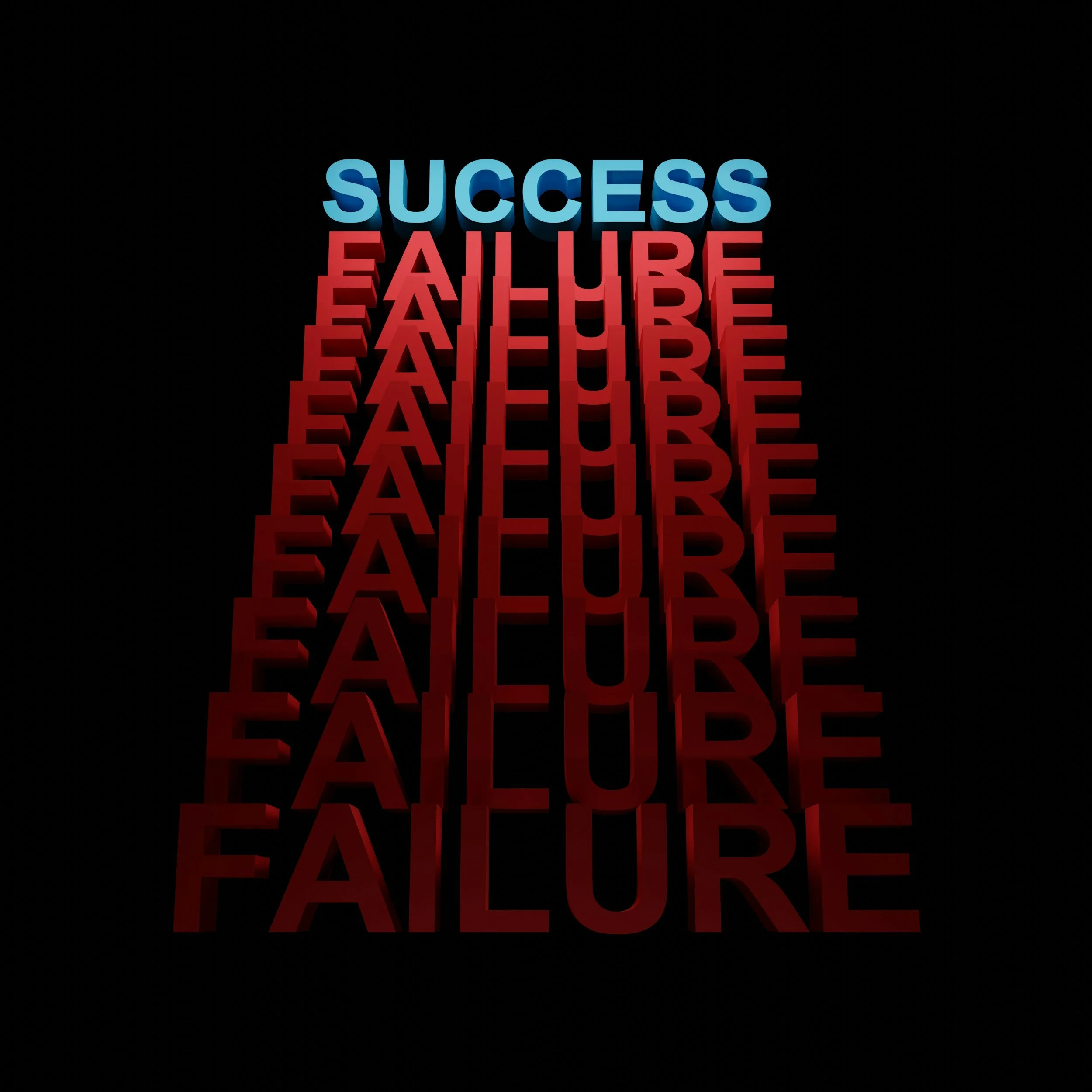
Most people ask whether their business idea can succeed. Few ask whether they can survive long enough to see it succeed. Starting a family business requires more than a good idea. It demands financial runway, emotional endurance, and full family alignment. Before you begin, you need an honest answer to one question: how long can you afford to fail?
The Question Most People Don’t Ask
When people consider starting a business, they usually ask, “Will this work?”
It sounds like the right question. It is not.
A better question is this: “How long can we afford for this not to work?”
Entrepreneurship is not a single decision. It is a prolonged process of uncertainty, setbacks, and gradual progress. If you cannot sustain that process, the quality of the idea does not matter. You will exit before it has time to succeed.
If you are building a family business, this question becomes even more serious. You are not just risking your time or your income. You are placing pressure on your household, your marriage, and your long-term stability.
The Myth of Urgency: You Don’t Need to Start Today
There is a strong temptation to act quickly when you have a business idea. It feels like a window is closing. It feels like someone else will get there first.
Most of the time, that urgency is not real.
Good ideas are rarely so time-sensitive that a few months of preparation will ruin them. In fact, rushing often guarantees poor execution. You skip planning, underestimate costs, and overestimate early demand.
Consider a simple example. If you have a retail idea in August, you are not going to build, stock, and launch a successful operation in time for the Christmas season. Trying to rush that timeline will not create success. It will create stress and mistakes.
Deliberation is not hesitation. It is preparation. Taking time to test, plan, and think clearly increases your odds of survival.
Entrepreneurship Is an Endurance Game
Most people assume success depends on having the right idea or the right strategy.
In reality, success often comes down to one factor: endurance.
You need the ability to continue when:
Revenue is inconsistent
Growth is slow
Plans do not work the first time
This is where the concept of runway matters. Every business has a limited runway made up of:
Time
Money
Energy
When any one of these runs out, the business stops.
The question is not whether your idea is good. The question is whether your runway is long enough to support the process required to make it work.
Financial Reality: How Long Can You Fund the Losses?
Most small businesses do not generate meaningful profit right away. Many operate at a loss for a period of time.
If you are self-funding, that loss comes directly from:
Your savings
Your income
Your credit
Before you start, you need clear answers to a few questions:
How many months can we operate without profit?
What income is supporting this business in the meantime?
What happens if that income decreases or disappears?
You also need to define a failure budget.
A failure budget is the amount of money you are willing to lose in the process of building the business. Not what you hope to lose. What you are prepared to lose.
Without that boundary, optimism takes over. You continue investing because you believe success is just around the corner. That belief can quietly turn into unsustainable debt.
Clarity protects you. Vague hope does not.
The Generalist Phase: You Will Be Bad at Most of This
At the beginning, you are not just the owner. You are everything.
You handle:
Marketing
Sales
Operations
Customer service
Bookkeeping
Administration
You may be excellent at the core skill that inspired the business. You are unlikely to be excellent at everything else.
You will make mistakes. You will be inefficient. You will learn by doing.
Hiring experts would solve many of these problems. Most early-stage businesses cannot afford that.
This phase is unavoidable. The goal is not to eliminate it. The goal is to endure it long enough to grow out of it.
The Hidden Cost: Time and Energy
Starting a business requires more than money. It requires time and energy, often in large amounts.
This usually means:
Working evenings and weekends
Carrying a constant mental load
Having less margin for rest and recovery
Time invested in the business must come from somewhere. It often comes from:
Leisure
Personal projects
Time with family
That does not mean you should not start. It means you should be honest about the tradeoffs.
Ask yourself: What am I willing to give up temporarily to build this?
If the answer is “not much,” then the business may not get the time it needs to grow.
The Family Test: Can Everyone Endure This?
A family business is not an individual project. It is a shared reality.
Even if only one person runs the business, the entire household feels the effects:
Financial pressure
Reduced time together
Increased stress
One of the most common problems is misaligned commitment.
One spouse is fully invested. The other is hesitant but agrees to move forward. Over time, that hesitation can turn into frustration, especially if:
Money becomes tight
Time demands increase
Results are slow
You need to ask difficult questions early:
Is this truly a shared decision?
Who is most likely to reach their breaking point first?
What does support look like in practice, not just in theory?
Forced agreement creates resentment. Real alignment creates resilience.
Failure Is Not a Possibility. It Is a Requirement.
Every business encounters failure.
Plans do not work. Products do not sell. Strategies fall flat. You adjust, try again, and refine.
This is not a sign that something is wrong. It is how the process works.
If you approach entrepreneurship with the mindset that failure is unacceptable, you will struggle. You will either:
Quit too early
Avoid necessary risks
Or take failure personally
A better approach is to expect failure and use it.
Failure provides:
Feedback
Direction
Clarity on what does not work
The goal is not to avoid failure. The goal is to survive it and learn from it.
Use AI to Pressure-Test Before You Commit
Before you invest significant time or money, you can use AI to test your assumptions.
Instead of jumping in immediately, you can ask better questions:
“What are the realistic startup costs for this type of business?”
“What are common reasons businesses like this fail?”
“What would a 12-month worst-case scenario look like?”
You can also map out timelines, identify hidden tasks, and explore different pricing or revenue models.
AI will not remove risk. It will help you see it more clearly.
Clarity early can prevent costly mistakes later.
A Practical Discernment Framework
Before you start, walk through this simple framework:
1. Financial Runway
How long can we sustain losses?
2. Time Capacity
How much time can we realistically invest each week?
3. Family Alignment
Is everyone truly on board with the sacrifices involved?
4. Emotional Endurance
Can we handle prolonged uncertainty and slow progress?
5. Exit Threshold
At what point do we stop if it is not working?
If you cannot answer these clearly, you are not ready to start yet.
Count the Cost Before You Begin
Entrepreneurship can be good, meaningful, and even fruitful. It can also be difficult, slow, and costly.
It is not for everyone. That is not a failure. It is discernment.
Before you begin, take the time to count the cost. Think carefully. Test your assumptions. Talk openly as a family.
Then answer the question honestly:
How long can we afford to fail?
Because the goal is not to avoid failure.
It is to ensure you can survive it long enough to succeed.
